Dr. Shanna Bahry, Ph.D., BCBA-D
Preparing learners for the adult lives they will actually live.
I work with practitioners, schools, and agencies to build programming that still holds up once services end — when the supports fall away and the skills have to carry the weight.
providing Help Operating on Principles of Effectiveness
Practitioners make it meaningful. Parents make sure it’s meaningful.
The problem
Most programs are built for the next year, not the next thirty.
Goals get written, mastered, and replaced. Progress looks real on paper. Then services end, the structure disappears, and it becomes clear the program was never pointed at adult life at all.
This is rarely anyone’s fault. The training pipeline in this field is built around young learners, and so are most of the assessments and curricula that come with it. Very few practitioners were ever taught what adolescents and young adults actually need.
That is the gap I work in.
Despite how evidence-based your interventions are, teaching inconsequential skills well is really no better than teaching essential skills poorly. What we teach needs to be as important as how we teach. Peter F. Gerhardt
Why it matters
The outcomes are not inevitable.
They are, however, entirely predictable when programming never changes direction.
of autistic adults in recent studies have poor outcomes in adulthood
are unemployed or underemployed, and often underpaid
continue living at home with their parents into adulthood
autistic teens will enter adulthood over the next decade
Work with me
Which one are you?
I want continuing education for myself
Self-paced, on-demand courses. CEUs for BACB certificants.
On-demand CE →I want training or consultation for my organization
Train your whole team, or evaluate the program itself.
For organizations →I want a speaker for my conference or event
Keynotes, workshops, panels, and podcasts.
Speaking →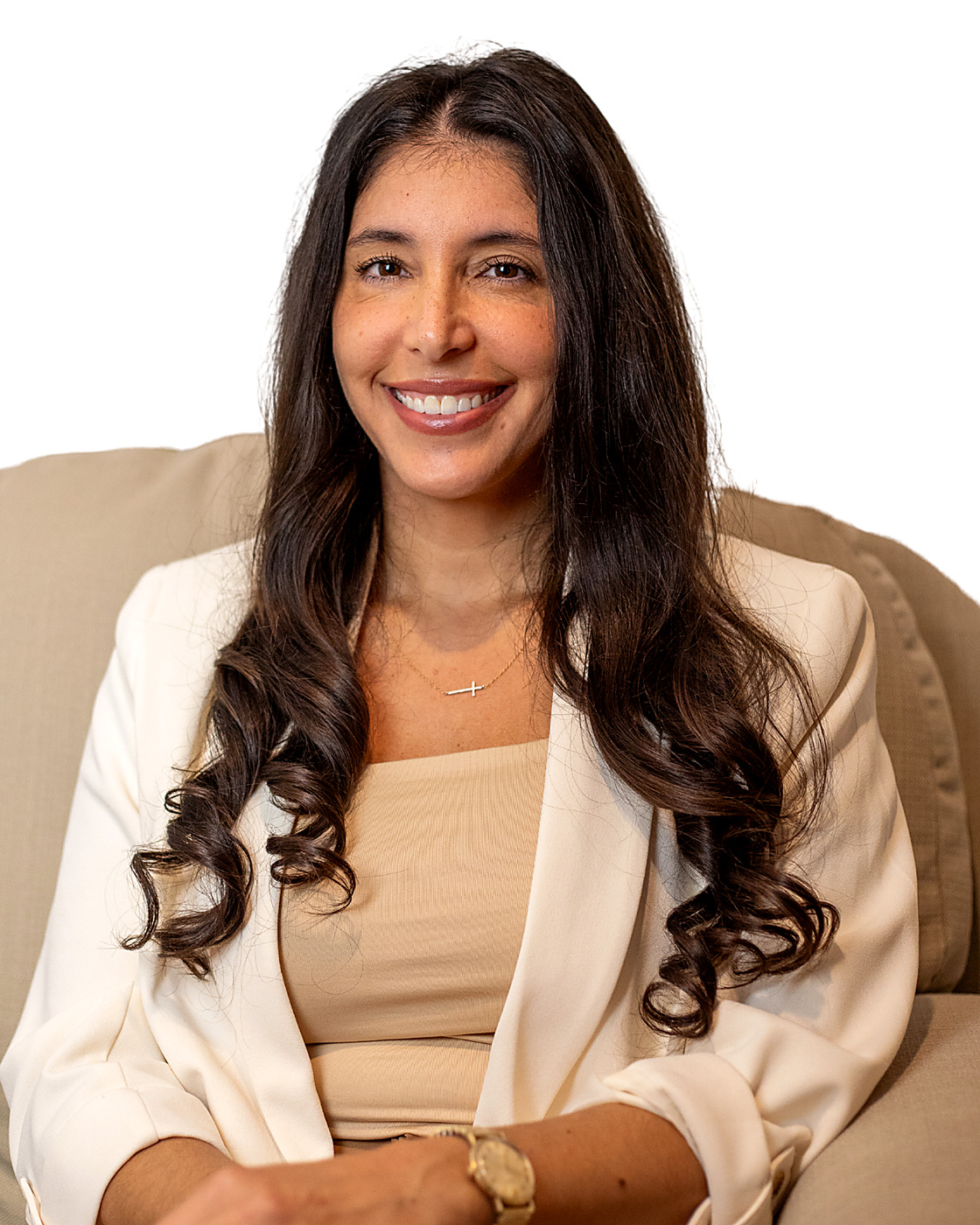
Who you would be working with
I am Shanna Bahry.
I am a doctoral-level board certified behavior analyst, licensed in Massachusetts and Rhode Island, and I have spent more than fifteen years working with individuals with autism spectrum and related disorders — across a wide range of ages, abilities, and severity of challenging behavior, in just about every setting these services are delivered in.
That range is what shaped the work. Across all of those settings, the same pattern kept appearing: programming that was well delivered and pointed at the wrong target.
The research is clear that self-sufficiency is what predicts a good adult life, and that adaptive skills are well within what practitioners using behavior analysis can already teach. What is usually missing is the decision about what to teach in the first place. That is the gap I work in.
Continuing education · ACE provider
Earn CEUs while you rethink what you’re teaching.
Meaningful HOPE is an approved ACE provider, offering CEUs for BACB certificants — and the same material runs as continuing education for educators and related service providers where formal units are not the point.
You need the hours anyway. They may as well change something about how you practice on Monday.
Sessions cover the criterion of ultimate functioning, prioritizing skills for adolescents, building genuine independence rather than prompted accuracy, and writing goals that survive contact with adult life.
Bring it to your team
Most continuing education sessions can be delivered on site for a full staff, or virtually for distributed teams.
Groups often start with a single in-service and move into ongoing consultation once they see where the gaps are.
Occasional notes for practitioners
New continuing education dates, tools, and the occasional piece of writing about programming for adulthood. No more than a couple of emails a month.
Start a conversation
Tell me what you’re working on.
Every engagement starts with a free 15-minute call. No pitch — I want to hear what you’re running into so I can tell you honestly whether I’m the right person to help.